Waterfalls in Iceland are more than scenic stops; they are the heartbeat of the landscape. Shaped by glaciers, volcanoes, and endless rivers, this island offers some of the most beautiful waterfalls in Iceland, each with its own personality. From thundering giants to quiet cascades hidden in green valleys, these natural wonders define the country’s wild charm.
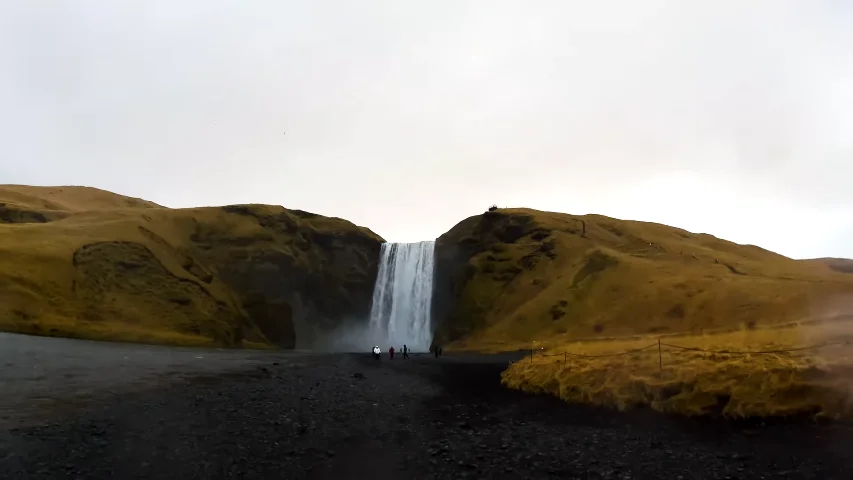
Travelers exploring Iceland waterfalls quickly realize how easy it is to experience them during an Iceland road trip, often without long hikes or special gear. Whether you chase famous sights or seek peaceful moments near Iceland scenic waterfalls, the journey feels immersive, raw, and unforgettable.
Why Iceland Is the Land of Waterfalls
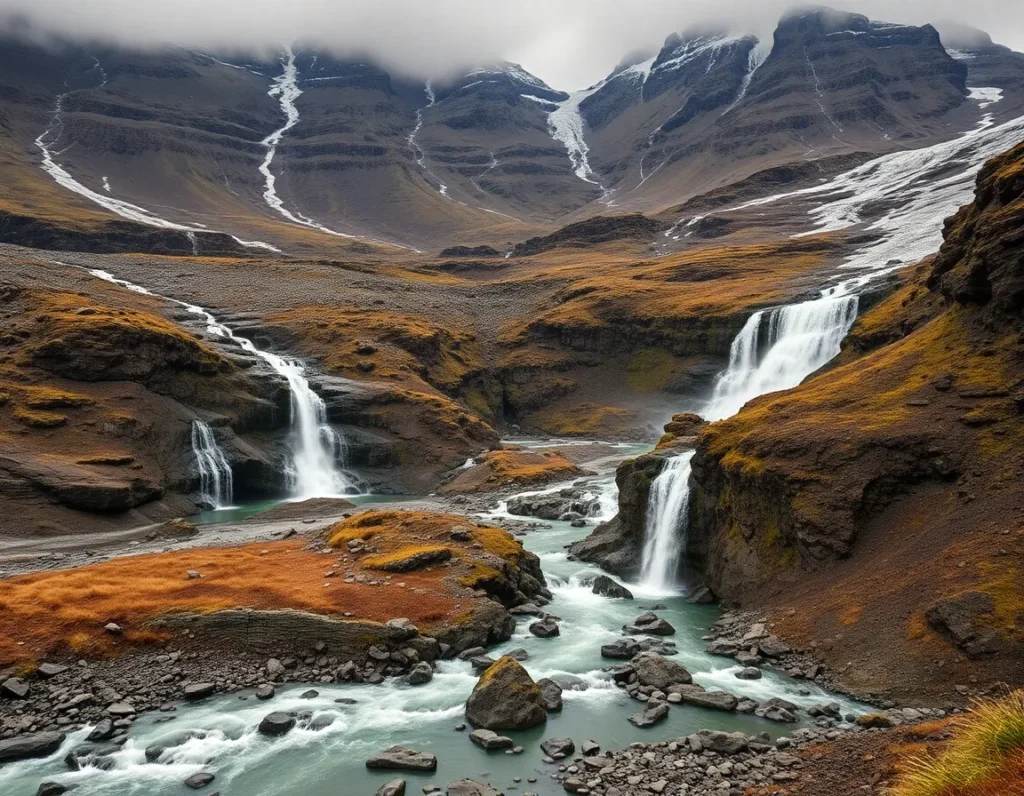
Iceland sits on the meeting point of glaciers and fire. Massive ice caps melt every summer, feeding hundreds of rivers that tumble over cliffs formed by old lava flows. That constant movement creates thousands of falls across the island. This is why Iceland nature attractions feel raw and alive instead of polished.
Another reason Iceland feels so special is visibility. Many of the best waterfalls in Iceland sit close to roads. You don’t need advanced hiking skills or special permits. In many cases, these are waterfalls reachable by 2WD car, which makes Iceland perfect for American road-trip lovers who want adventure without complexity.
How to Plan a Waterfall Road Trip in Iceland
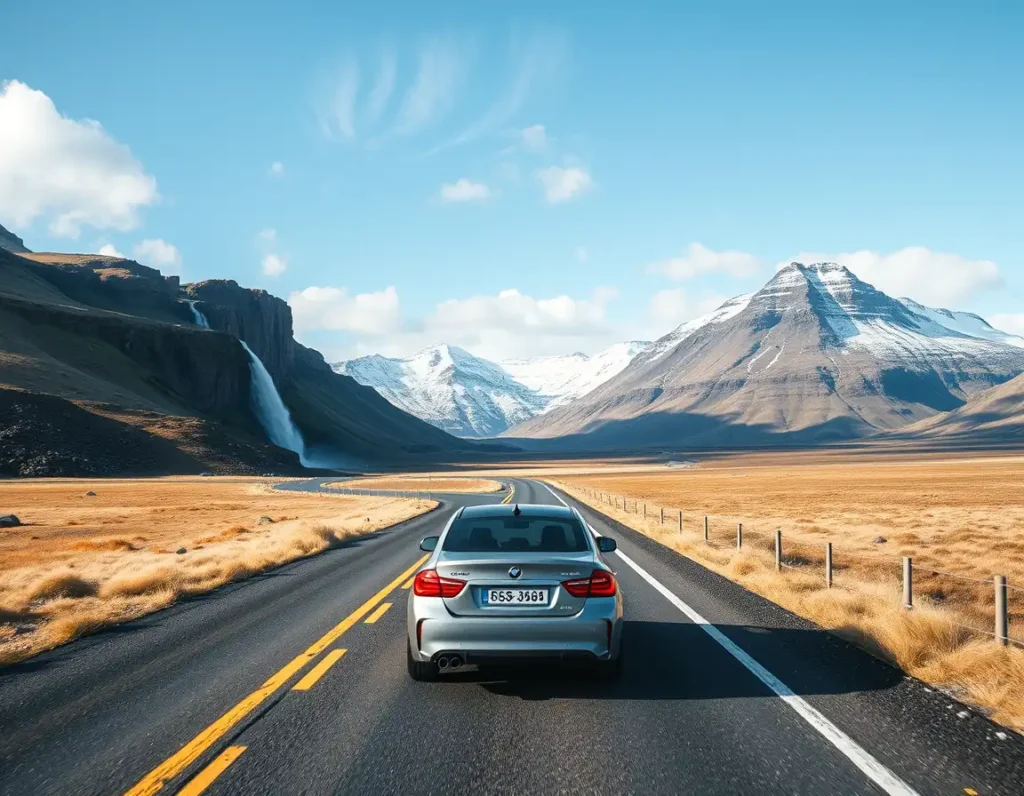
Planning an Iceland road trip is easier than most people expect. Roads are well maintained, signs are clear, and distances are manageable if you pace yourself. Most visitors rent a car and explore independently, which gives flexibility to stop whenever a waterfall appears. Iceland rewards slow travel and curiosity.
Fuel stations, cafés, and guesthouses appear regularly along main routes. Even remote regions usually have services within reasonable distance. When you plan carefully, you can visit famous waterfalls and quiet locations without feeling rushed. This freedom is what makes chasing Iceland scenic waterfalls so satisfying.
Best Time of Year to Visit Iceland Waterfalls
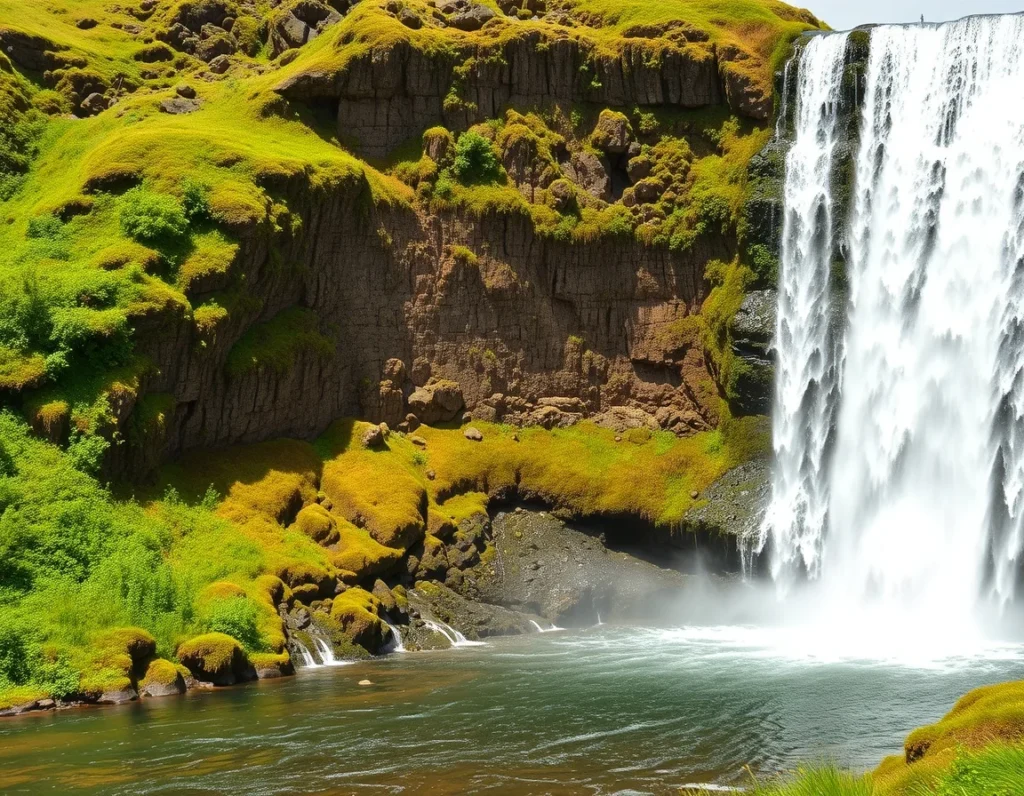
Summer is the most popular season for waterfall travel. During this time, snow melts quickly and rivers run strong. Iceland summer waterfalls look powerful and full, and daylight lasts late into the night. Photography becomes easier, and hiking trails stay open.
Winter offers a different mood. Some falls freeze into blue sculptures, while others keep flowing through ice. Roads may close in storms, but popular areas remain accessible. If you enjoy fewer crowds and dramatic light, winter can feel magical. Each season reshapes the same waterfall into a new experience.
Should You Drive the Ring Road for Waterfalls?
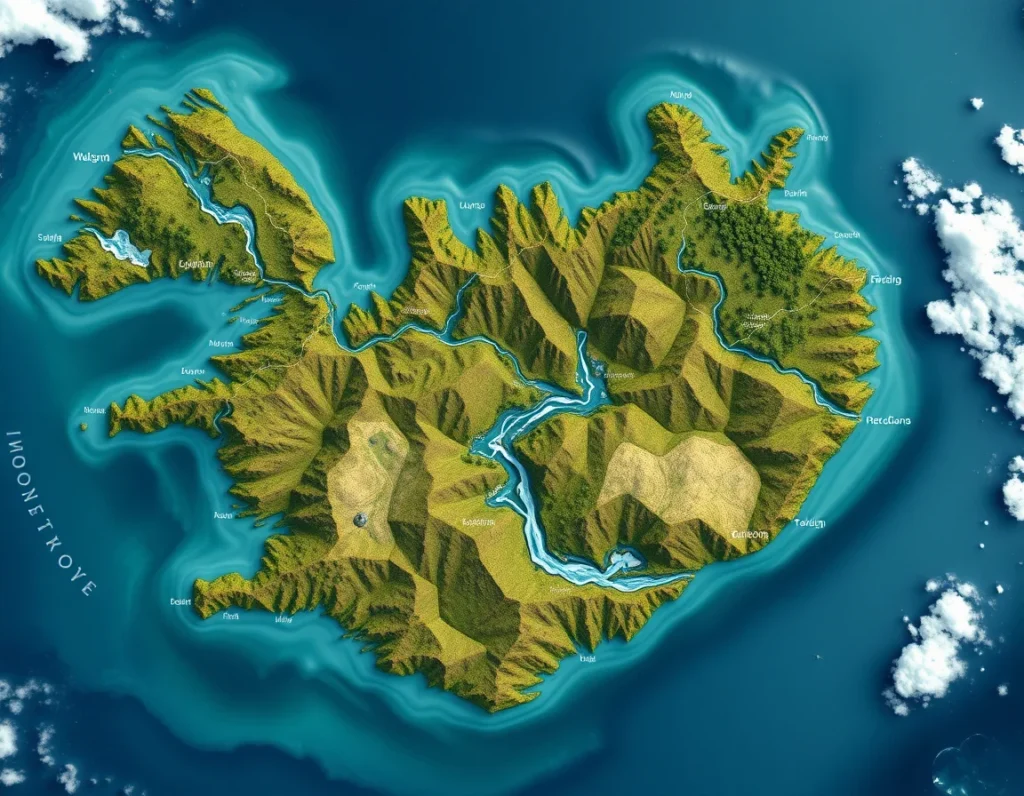
The Ring Road Iceland circles the entire country and connects most major regions. Driving it allows you to experience South Iceland waterfalls, East Iceland waterfalls, North Iceland waterfalls, and West Iceland waterfalls in one continuous journey. Most travelers need ten to fourteen days to enjoy it properly.
Shorter trips can still feel rewarding. If time is limited, focus on one or two regions. The south alone offers many famous waterfalls in Iceland, while the north delivers some of the most powerful waterfalls in Iceland. The Ring Road simply brings everything together in one unforgettable loop.
Iceland Waterfalls Map (By Region)
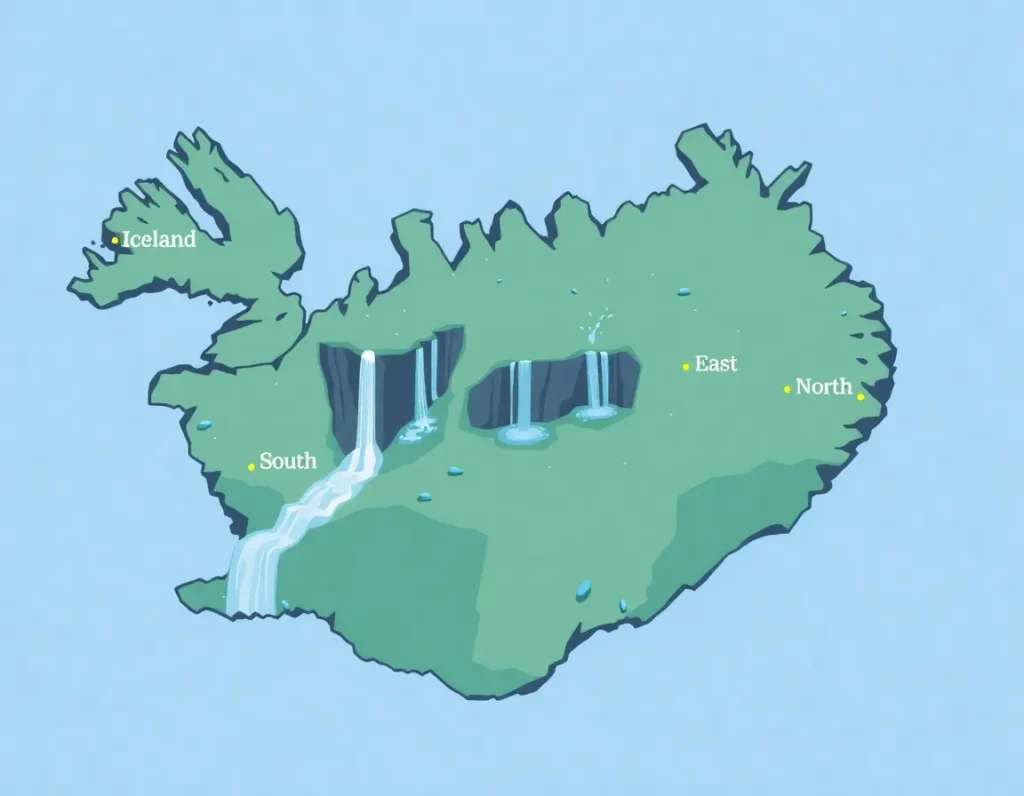
An Iceland waterfall map helps turn ideas into reality. Waterfalls cluster naturally by geography. Southern Iceland features green cliffs and coastal views. Eastern Iceland feels quieter and wilder. Northern Iceland delivers scale and raw force. Western Iceland blends charm with dramatic landscapes.
Using a map prevents backtracking and saves fuel. It also helps you discover remote waterfalls Iceland travelers often miss. Planning visually makes your trip calmer and more efficient, especially if you want to avoid long driving days.
The Most Beautiful Waterfalls on the Golden Circle
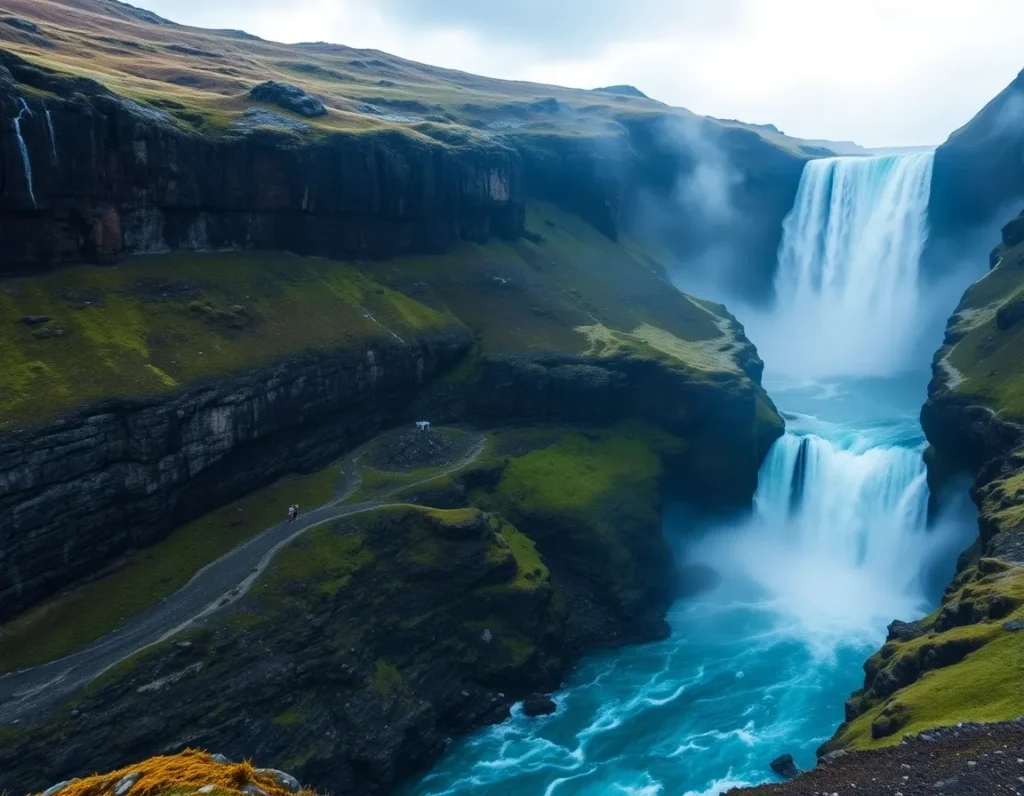
The Golden Circle waterfalls sit close to Reykjavík and make perfect first stops. Gullfoss roars into a canyon with enormous force, fed by glacier water from the highlands. Its size and accessibility make it one of the famous waterfalls in Iceland. Nearby, Brúarfoss surprises visitors with unreal blue water flowing through black rock.
These waterfalls show Iceland’s diversity early in the journey. You can explore them comfortably in a day. Many American travelers start here to ease into Iceland’s rhythm before heading farther from the capital.
Stunning Waterfalls of South Iceland
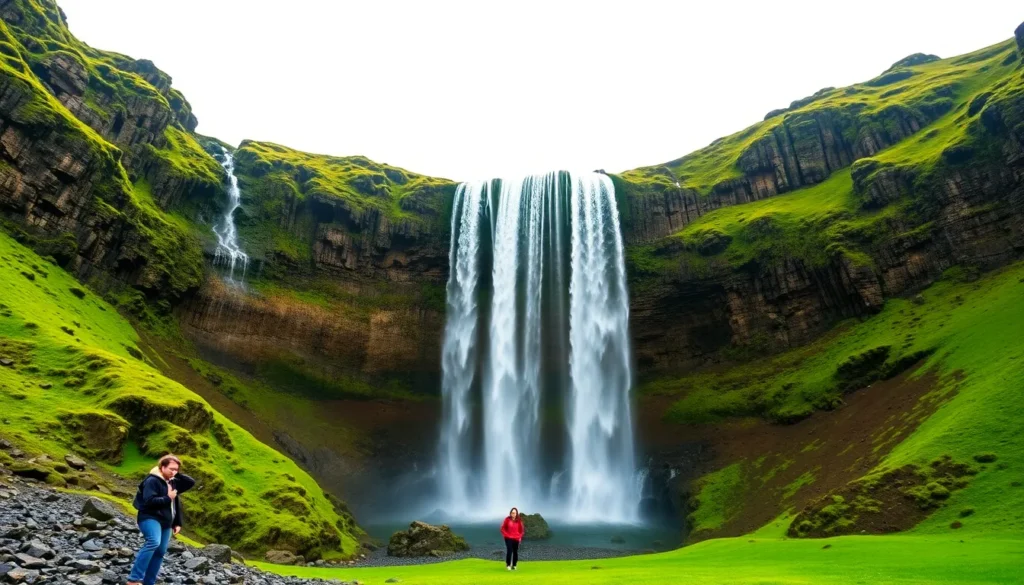
Southern Iceland feels like a living postcard. Seljalandsfoss allows you to walk behind the falling water, creating a rare and immersive moment. Just steps away, Gljúfrabúi hides inside a narrow canyon, rewarding those who don’t mind getting wet. These are classic examples of South Iceland waterfalls that combine beauty with accessibility.
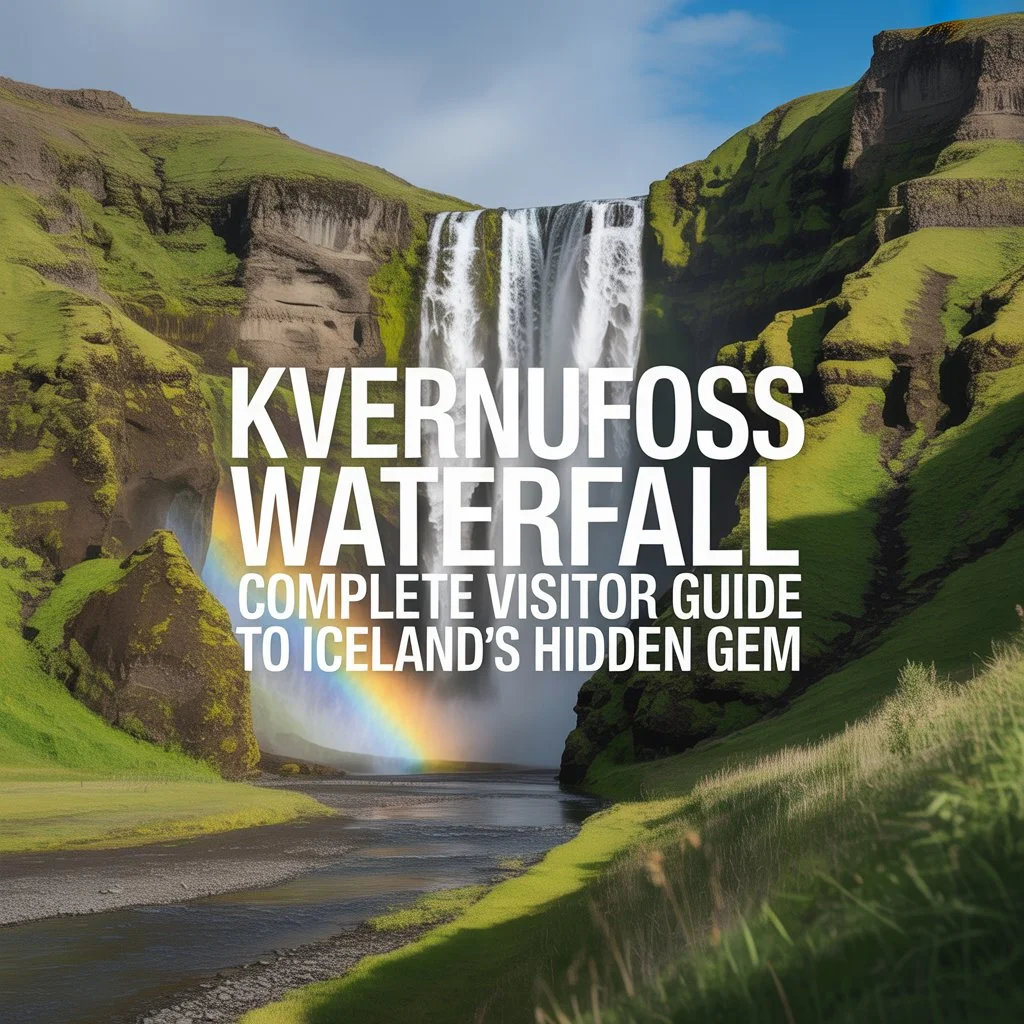
Farther east, Skógafoss thunders down a wide cliff and often creates rainbows in the mist. Nearby, Kvernufoss sits quietly in a green gorge, offering a calmer experience. Svartifoss, framed by dark basalt columns, feels almost architectural. Together, they form some of the best waterfalls in Iceland for variety and atmosphere.
Best Waterfalls in East Iceland
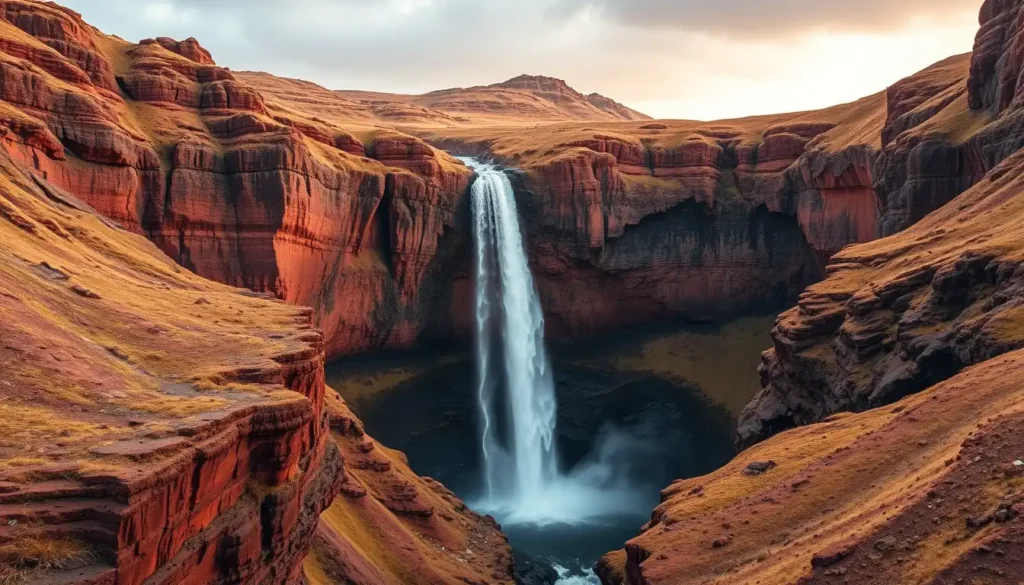
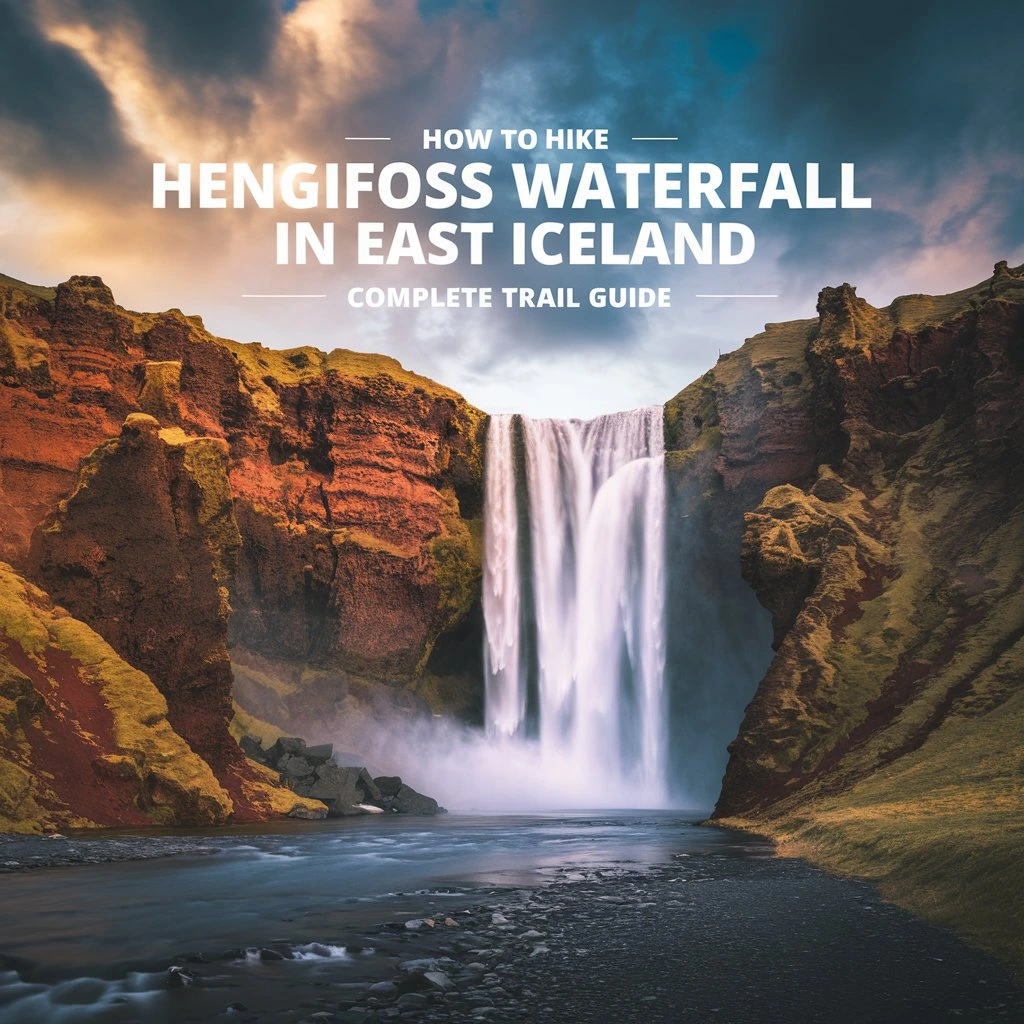
Eastern Iceland feels slower and less crowded. Hengifoss towers over the valley with layered red and black rock, ranking among the tallest waterfalls in Iceland. The hike builds anticipation, making the view even more rewarding. On the same trail, Litlanesfoss appears with dramatic basalt walls.
Closer to town, Gufufoss flows freely near the road. It feels powerful yet peaceful, especially in early morning light. These East Iceland waterfalls suit travelers who enjoy quiet landscapes and gentle exploration.
Powerful Waterfalls of North Iceland
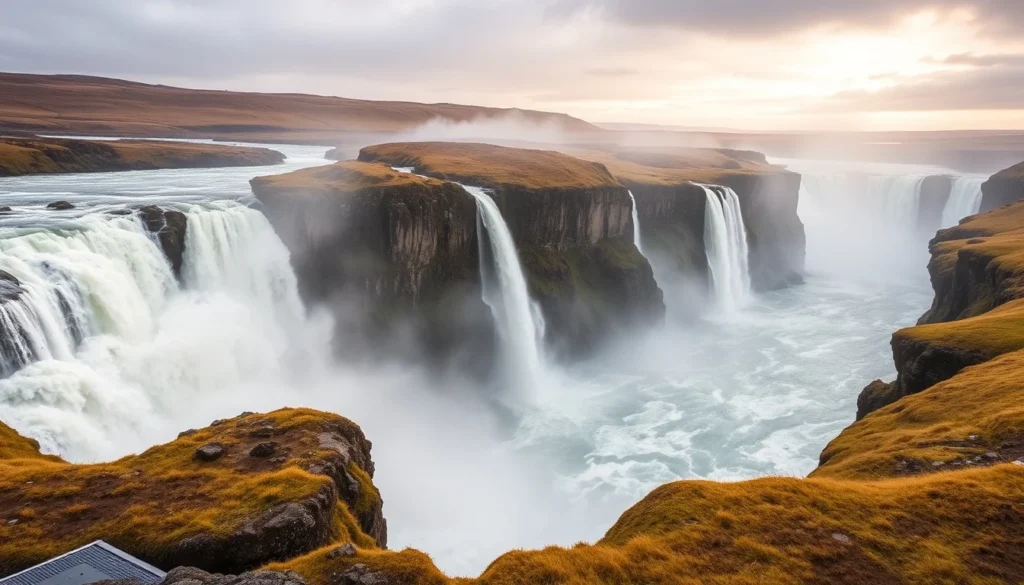
Northern Iceland is about scale. Dettifoss is often described as Europe’s most forceful waterfall. Standing near it feels like standing next to moving earth. The sound alone leaves a lasting impression. This region defines powerful waterfalls in Iceland better than anywhere else.
Not far away, Goðafoss curves gracefully across a wide river. History gives it meaning, while its shape gives it beauty. Northern Iceland balances power and elegance in a way few places can.
Iconic Waterfalls of West Iceland
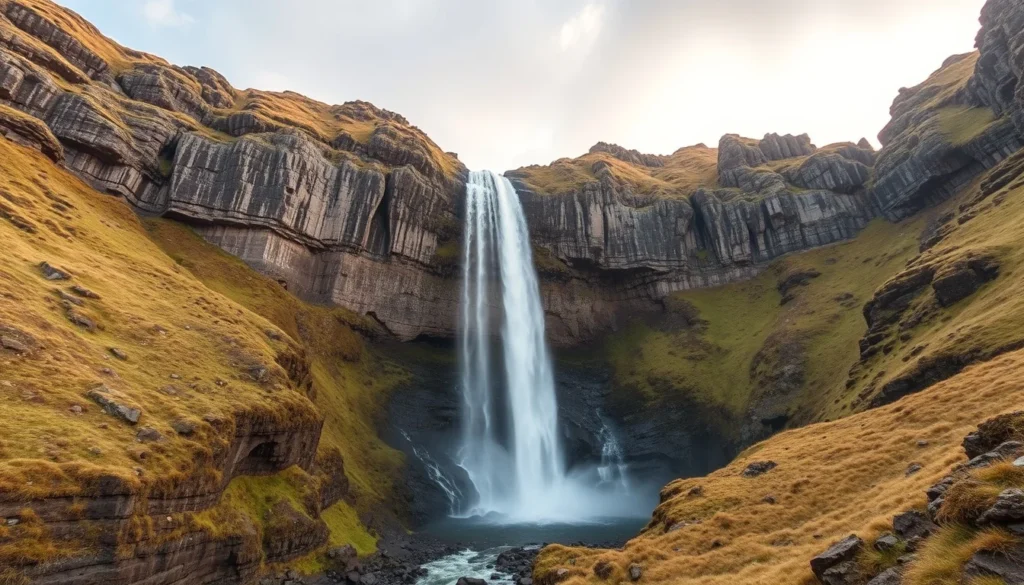
Western Iceland blends drama with charm. Dynjandi cascades down a mountainside like a bridal veil, growing wider as it falls. Reaching it feels adventurous, yet roads remain manageable. Many travelers call it the highlight of the west.
On the Snæfellsnes Peninsula, Kirkjufellsfoss sits beneath a striking mountain. Photographers love this location, and it remains one of the top Iceland photography locations. These West Iceland waterfalls offer strong visuals without extreme effort.
Remote & Epic Waterfalls in the Icelandic Highlands
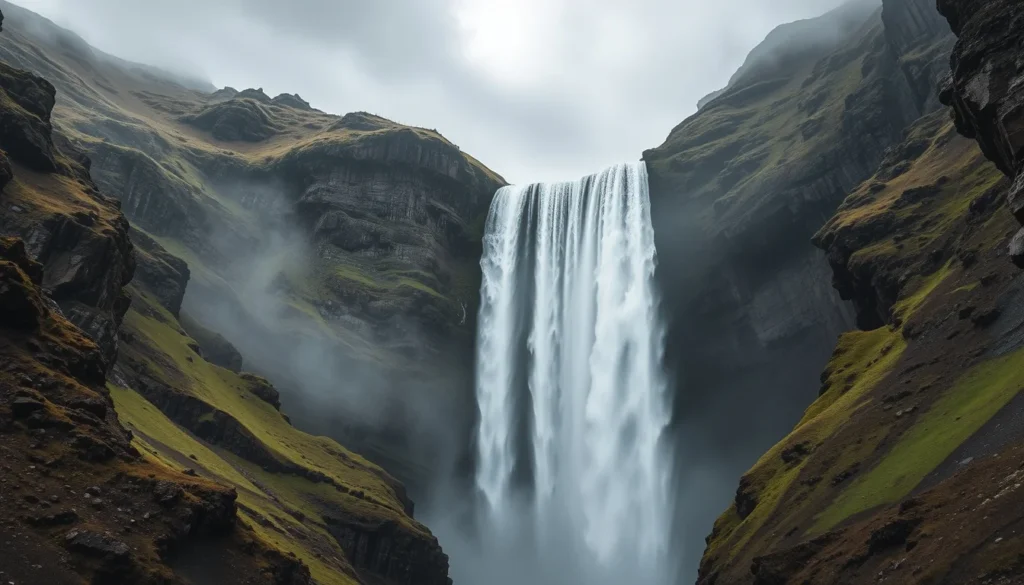
The Highlands feel untamed. Háifoss plunges into a deep canyon and delivers panoramic views that feel almost unreal. The drive can be rough, but the reward is immense. These areas represent the heart of remote waterfalls Iceland experiences.
Highland waterfalls demand preparation and respect for weather. Still, they reveal Iceland at its wildest. For travelers seeking solitude and scale, the Highlands provide unforgettable moments.
Hidden & Lesser-Known Iceland Waterfalls (Crowd-Free)
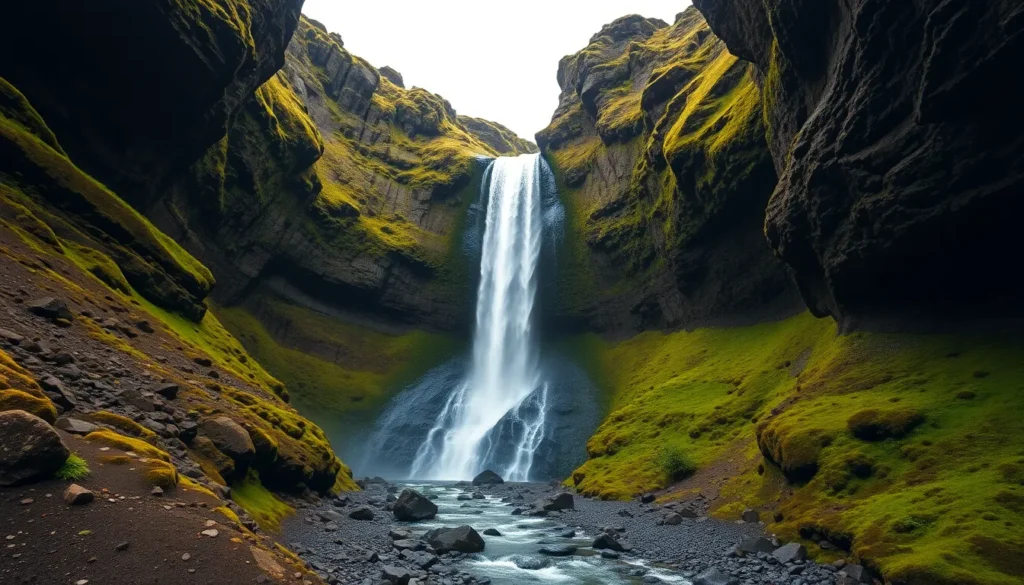
Beyond the famous stops, Iceland hides countless quiet falls. Many sit just off the road or at the end of short paths. These hidden waterfalls in Iceland often feel more personal because crowds rarely linger.
Exploring these places adds depth to your trip. You stop rushing and start noticing details. This slower pace transforms sightseeing into connection and discovery.
Best Photography Tips for Iceland Waterfalls
Waterfall photography rewards patience. Overcast light softens contrasts, while mist adds drama. A sturdy tripod helps capture motion, especially in low light. Many iconic photos come from early mornings or late evenings.
Protect your gear. Water spray is constant near large falls. These locations challenge photographers but also deliver unforgettable images. That’s why Iceland remains a favorite among landscape shooters worldwide.
Safety Tips When Visiting Iceland Waterfalls
Iceland’s beauty demands respect. Wet rocks become slippery quickly, and wind can push unexpectedly near cliffs. Always stay behind barriers and follow posted signs, even if others ignore them.
Weather changes fast. Check forecasts daily and trust local advice. Safe decisions ensure your journey remains memorable for the right reasons. Iceland rewards caution with long-lasting wonder.
Iceland’s waterfalls are more than attractions. They are moving expressions of land, ice, and time. When you travel thoughtfully, these places leave stories with you long after you return home.
Frequently Asked Questions
Is the Hengifoss waterfall worth it?
Yes, Hengifoss is absolutely worth visiting for its dramatic red rock layers and impressive height, making it one of the most visually striking waterfalls in Iceland.
How many waterfalls are in Iceland?
Iceland is home to an estimated 10,000+ waterfalls, created by melting glaciers, powerful rivers, and volcanic terrain.
Which Icelandic waterfall is known as the Golden Falls?
Gullfoss is known as the Golden Falls and is famous for its massive two-tier drop and glacier-fed waters.
What is the famous waterfall in Iceland you can walk behind?
Seljalandsfoss is the well-known Icelandic waterfall where visitors can safely walk behind the falling water for a unique view.